AWAKE TO THE MOMENT
PRACTICE MINDFULNESS INCREASED HAPPINESS GREATER FOCUS LESS STRESS

PRACTICE MINDFULNESS INCREASED HAPPINESS GREATER FOCUS LESS STRESS
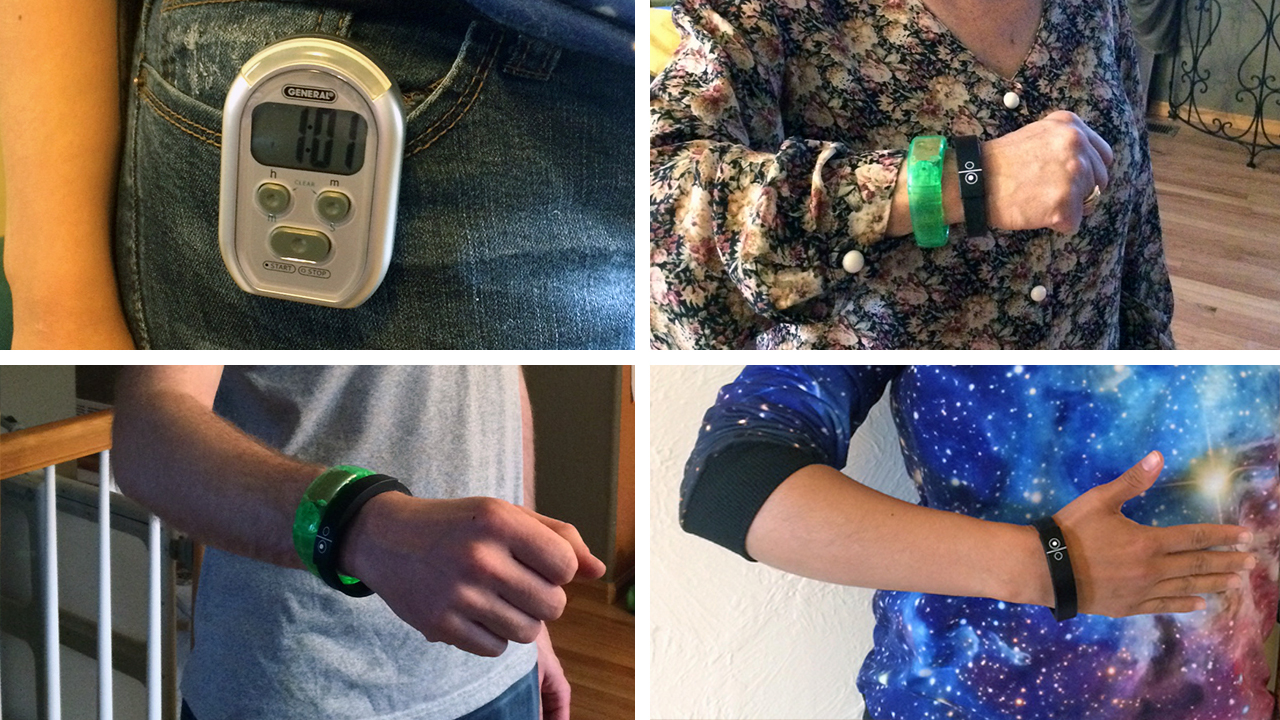
I identified this problem from my own experiences of mind wandering. This is when you are doing one thing and thinking about doing something else triggering your body into autopilot. This causes people to miss out on experiences and has been proven to leads to unhappiness. Scientist say that one of the leading causes of unhappiness is mind wandering. And we do this at least 47 % of the time. I proposed that through behavioral design and the use of technology, a person can train their mind to facilitate a transition from mind wandering to mindfulness. This would allow people to take greater control of their minds by learning how to purposefully refocus their attention.The research accompanying this information spans the spectrum from spiritual to scientific, addressing general well-being, educational outcomes and overall information comprehension. The key takeaway from all of this information, is that the excess of mind wandering can be harmful and we need physical stimuli to remind us to practice mindfulness.
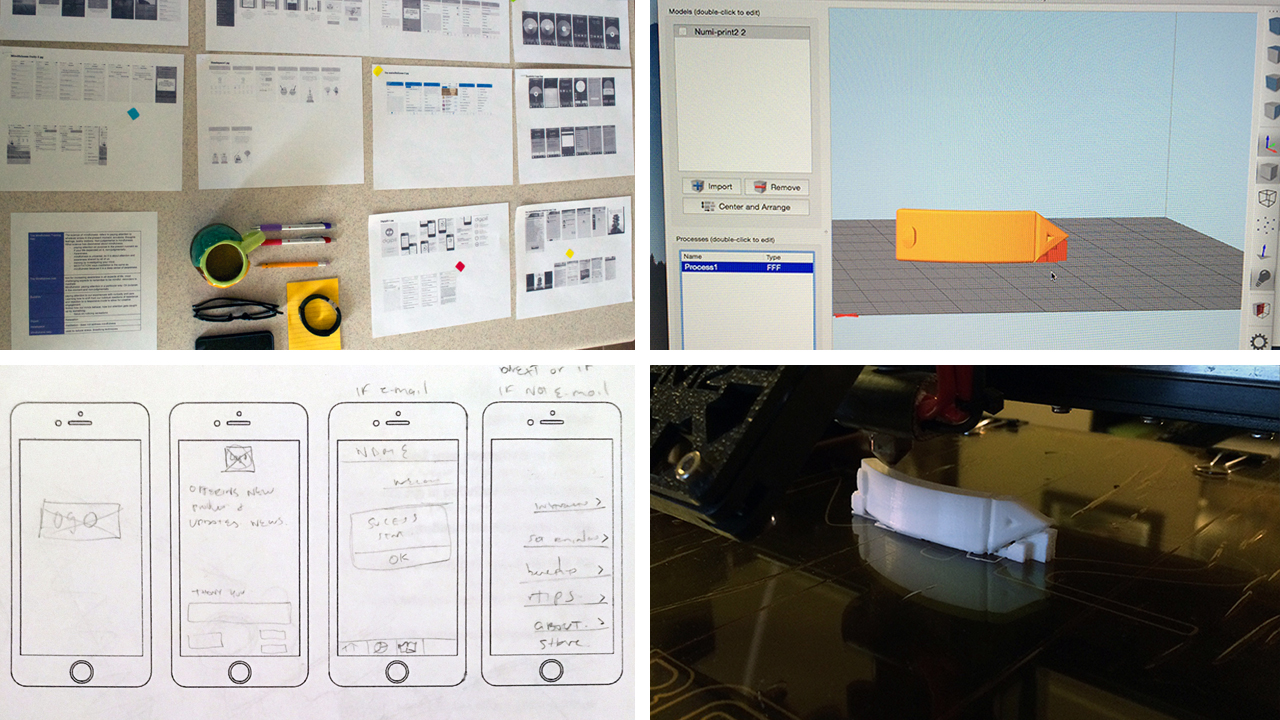
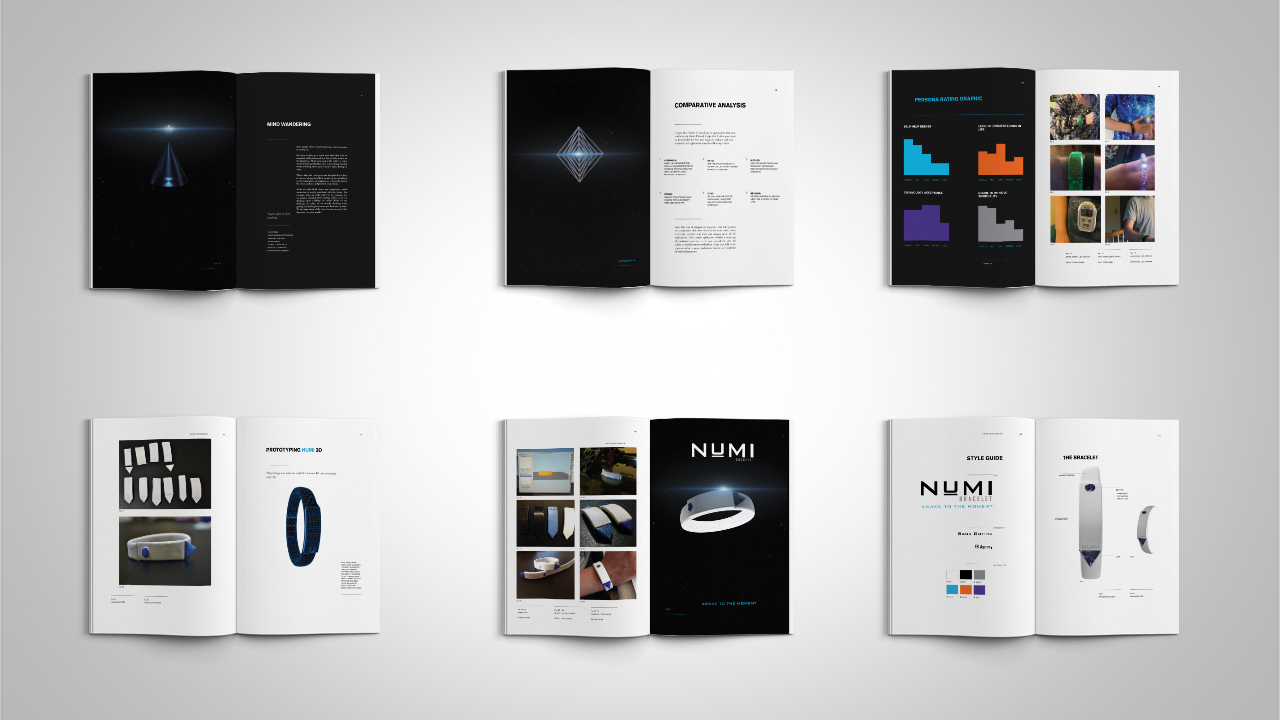
Researcher, conceptual designer, digital designer, prototype designer, App designer, book designer and creator. Of course I received help from various people in different parts throughout this project including test subjects, editors and sounding boards.
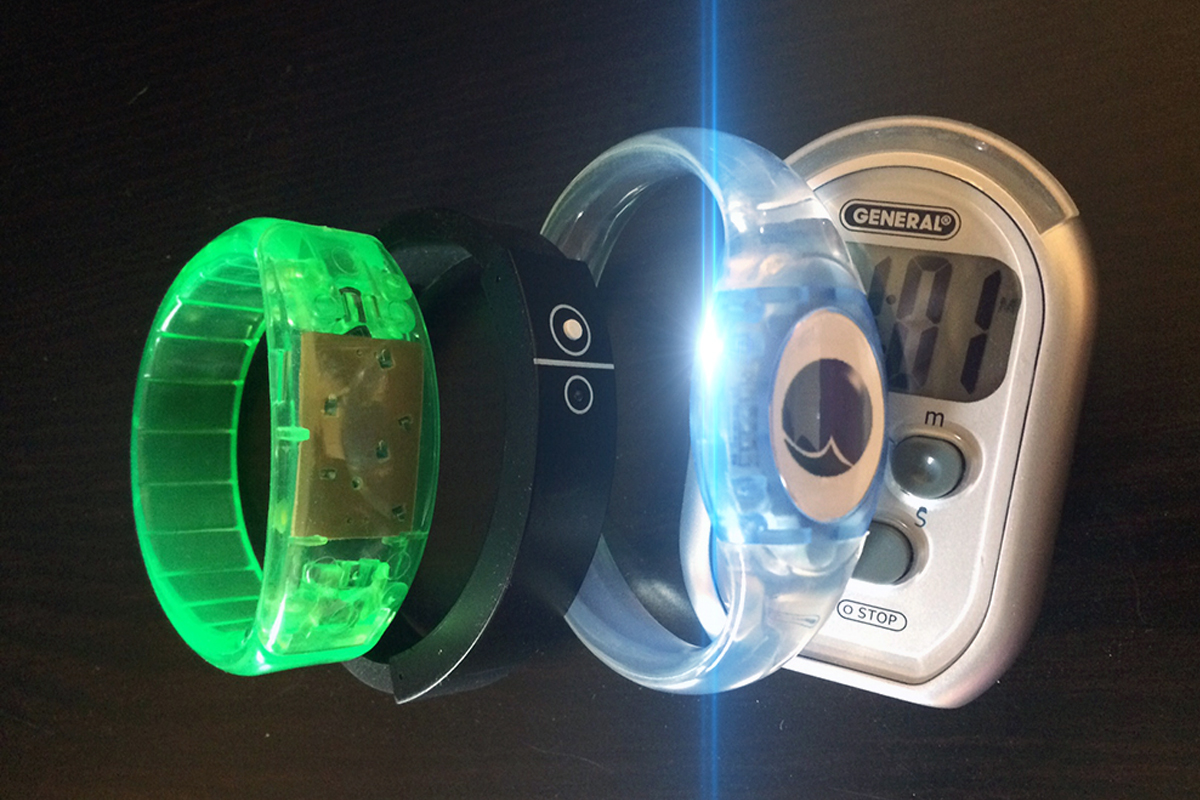
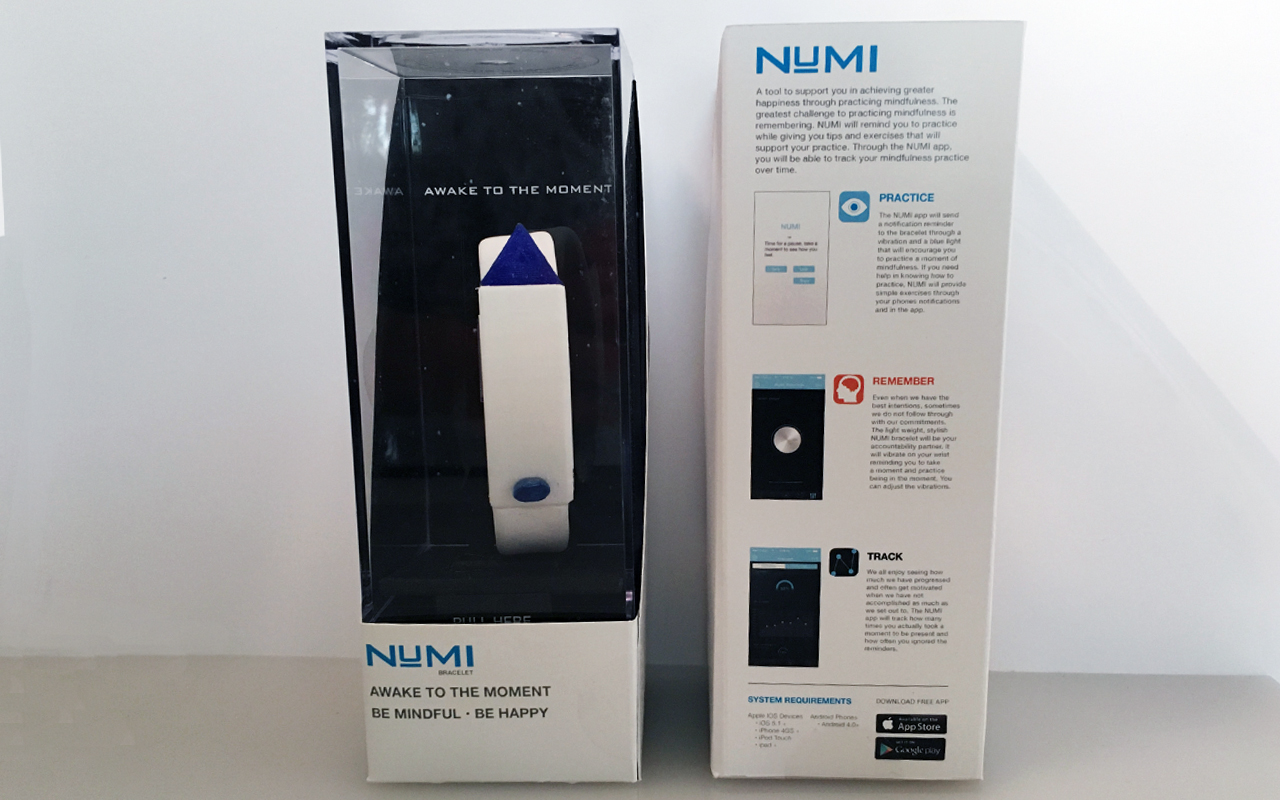
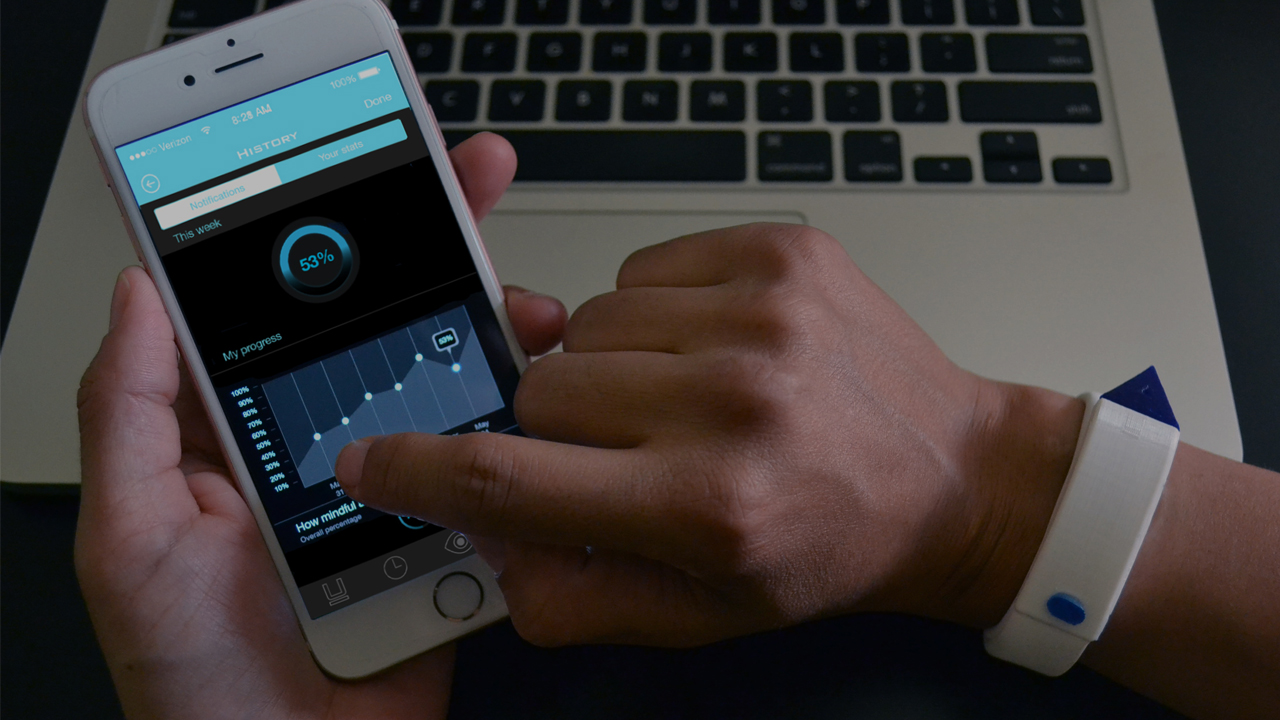
After conducting countless hours of research and testing, I came up with an approach to the problem of mind wandering that was both functional and aesthetically attractive. This approach is one that offers a stimulating reminder to snap out of the daze that you might be in and notice your present state.
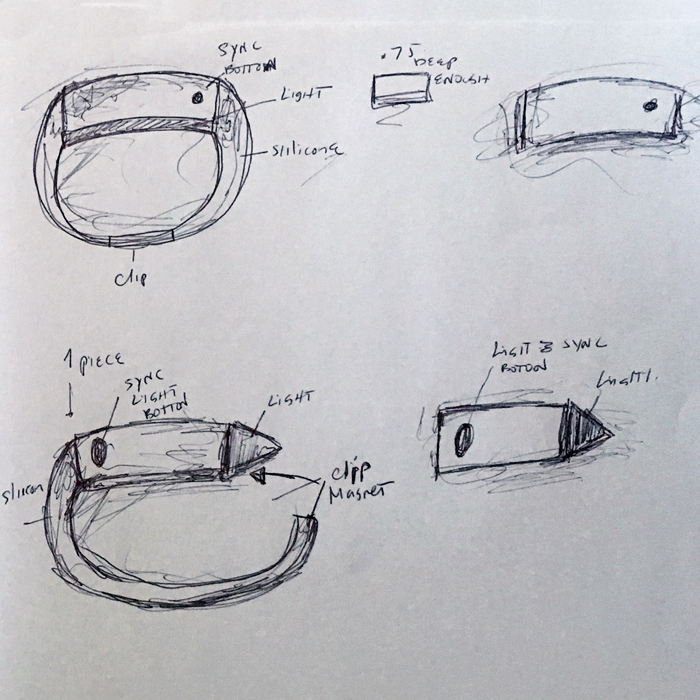
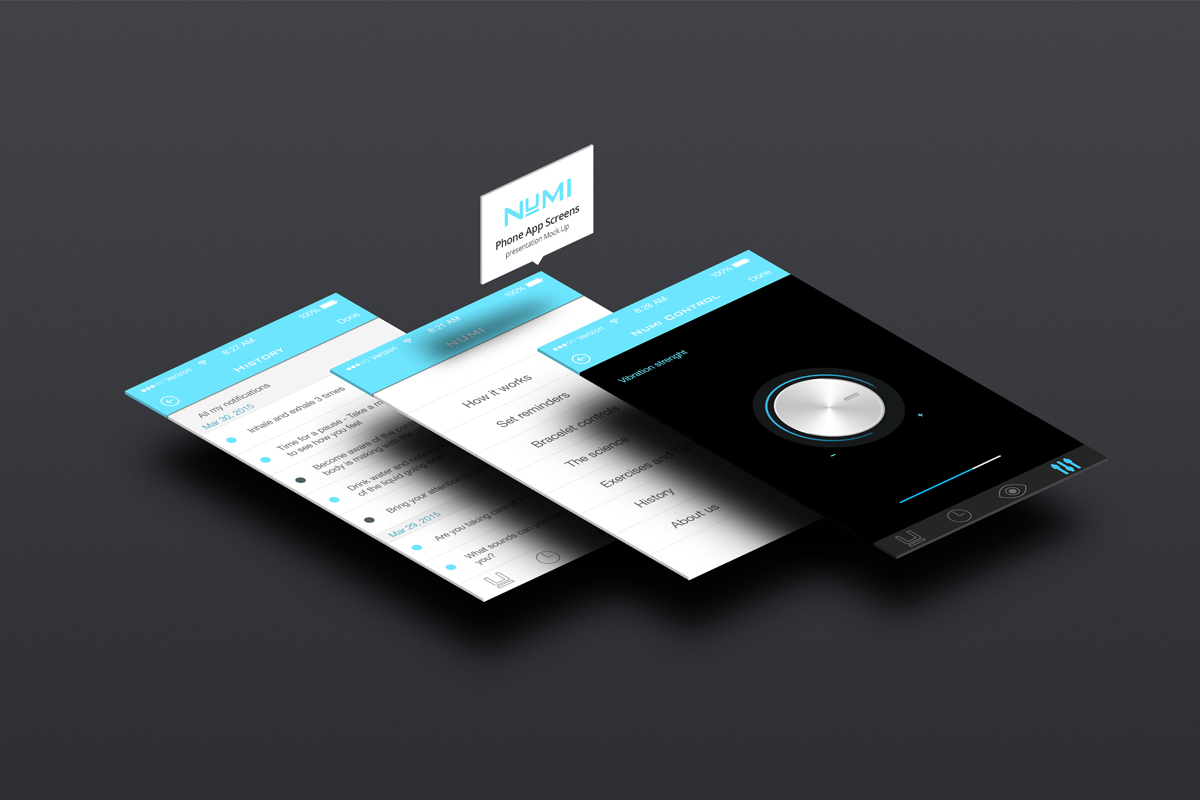
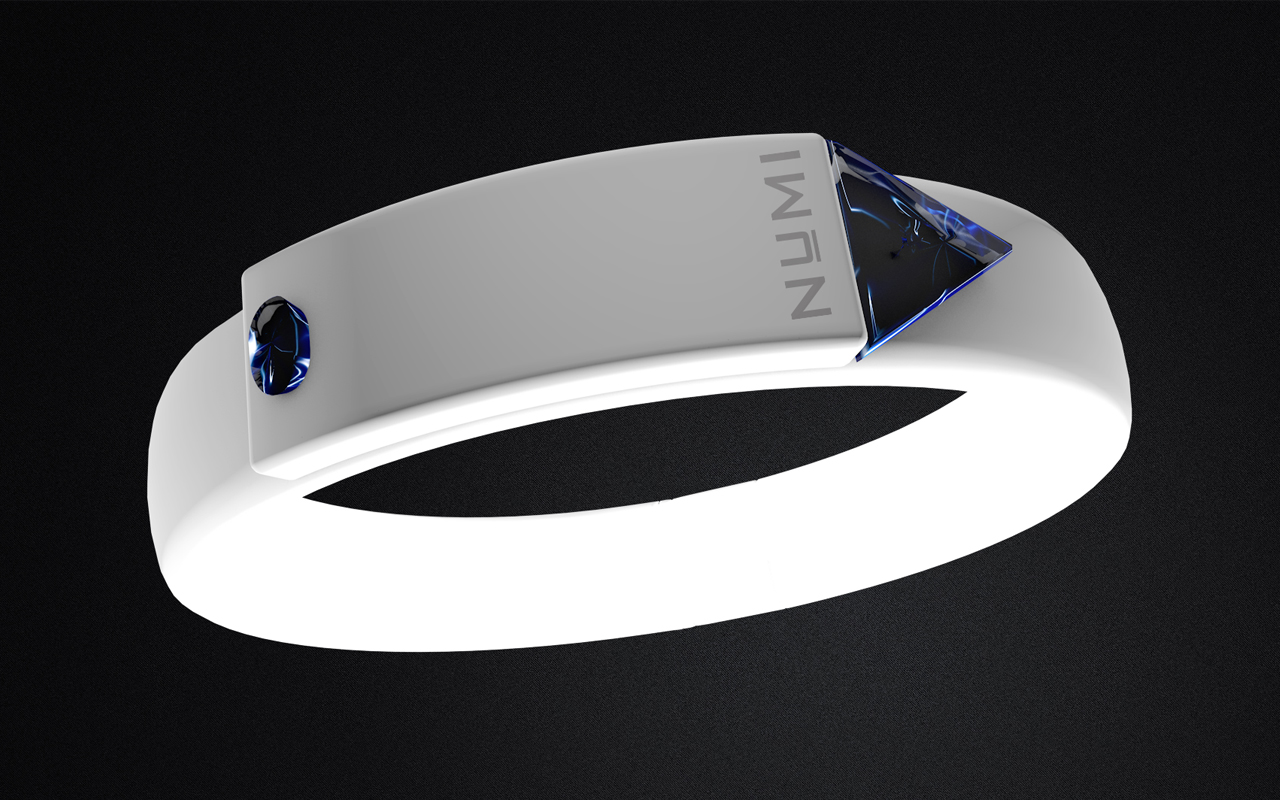
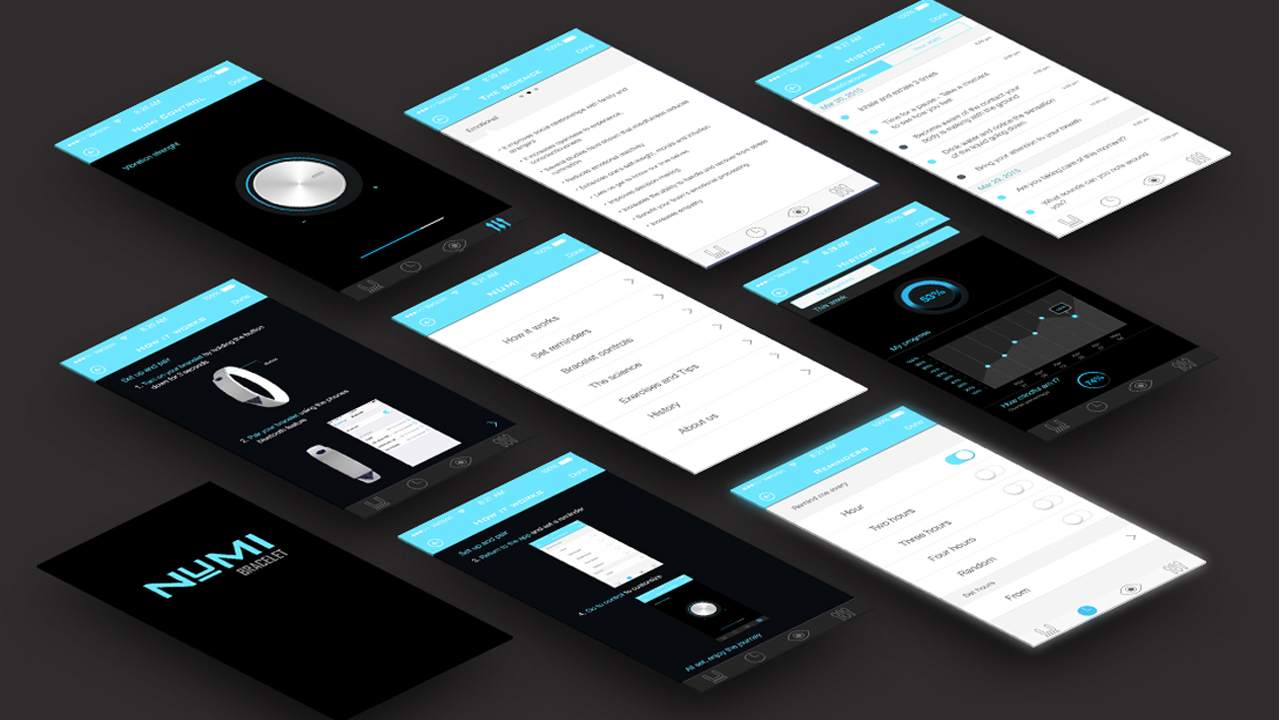
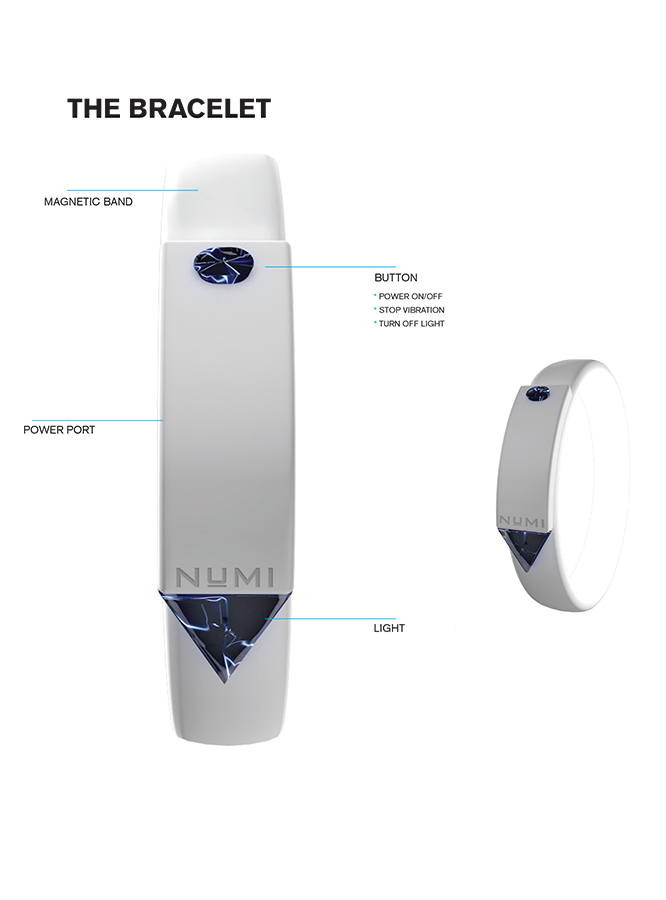
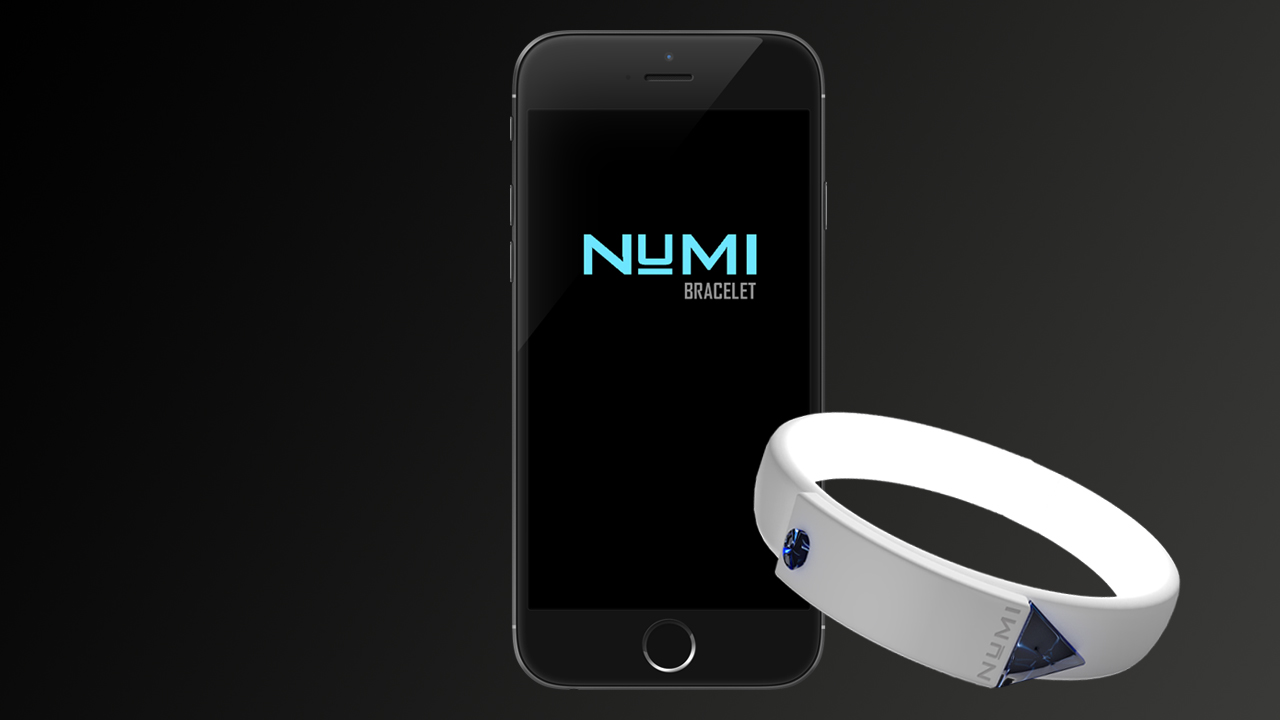
After collecting the information and the data, I consolidated the results and decided that a bracelet with a vibration and a blue light was the best approach to create a tool that would help a person facilitate the transition from mind wandering to mindfulness. I selected a bracelet because this would be the least disturbing and the closest in proximity to the user. The vibration was added to serve as the physical stimuli that would trigger the user to snap back into mindfulness. The blue light was chosen because studies have shown that a blue light leads to alertness. All together, this tool would remind the user to be mindful in the moment that the vibration went off and the blue light flashed.It was clear in the focus groups and from the testing subjects that an app was a desired component. This would allow the users to track their mindfulness as well as receive tips on how best to practice mindfulness. This app would accompany the bracelet to allow the user to customize the bracelet including frequency of reminders, intensity of the vibrations and what time of day or night the reminders occurred. The app included a tracker recording each time the user ignored the reminder or chose to practice the mindfulness exercises.
At the conclusion of this project, I created an approach that increased mindfulness in a non invasive, yet personalized way. Many questioned the effectiveness of using digital technology to enhance mindfulness when most people attributed mind wandering to increased reliance on digital technology. I argued that the dependence on digital technology was never the problem and in fact chose to use the perceived over dependence to my advantage. I knew that it would not be effective to attempt to get the user to change two behaviors that have become an increasingly regular part of their lives. Users were much more willing to use this approach because it was a simple technological piece that could be embedded in their everyday life: their smartphones.